We provide psychosocial support, counselling, skills development, work readiness, and housing, creating a pathway from homelessness to dignity, opportunity, and sustainable livelihoods.

PEER GROUP
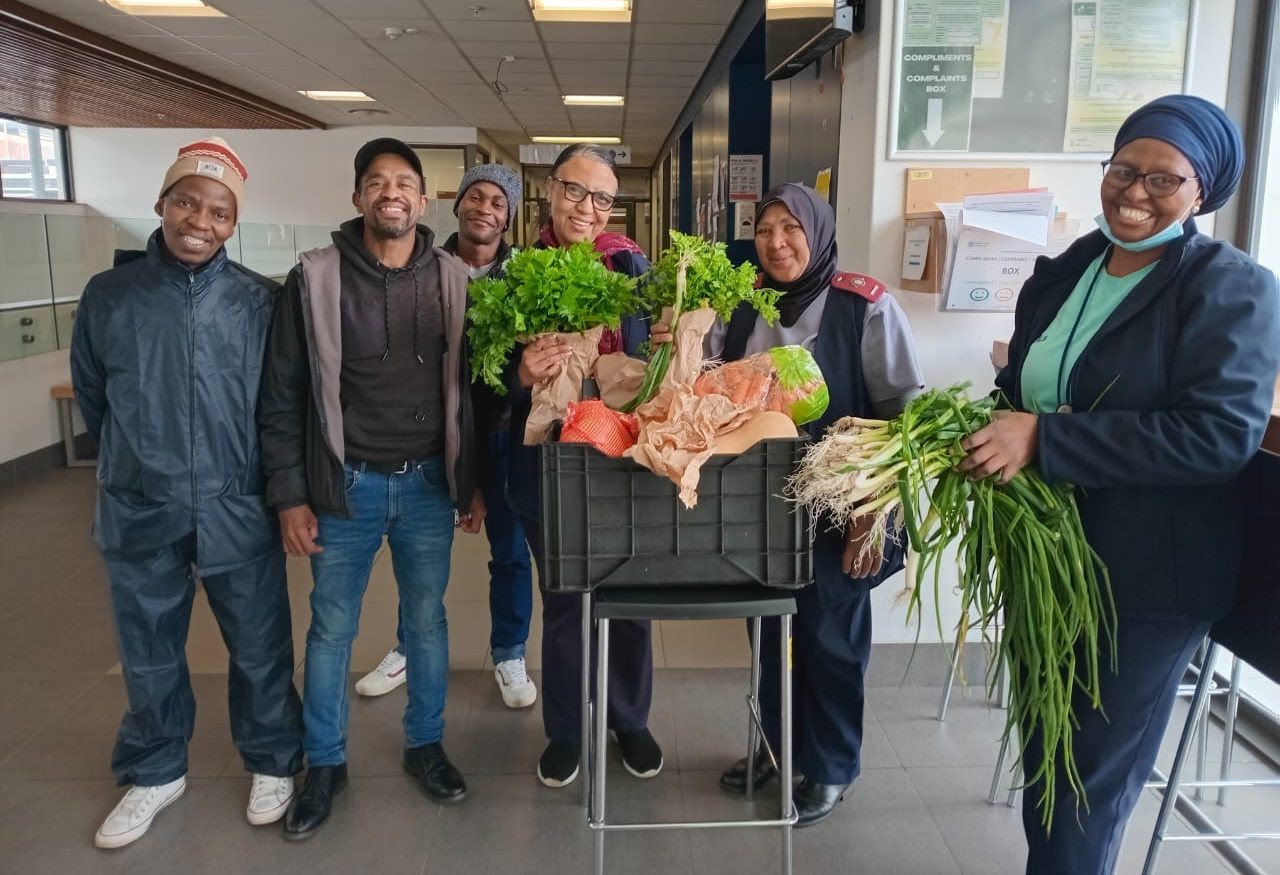
The Peer Project uses lived experience and peer-led outreach to connect with people experiencing homelessness and others still living on the streets. Peer Outreach Workers are able to build trust and engage people in ways that are often more effective because they draw on their own lived experience.
The project offers:
- Street-based outreach, engagement and relationship- building.
- Medical adherence support for people living with chronic illnesses.
- Harm-reduction information and support.
- Referrals to health, social and support services.
- Information about accommodation and available programmes.
- Identification and support of people who may benefit from further assistance.
- A bridge between people on the streets and available services.
- Opportunities for people with lived experience to use their knowledge and skills to support others.
HOUSING
The housing programme operates across three houses, providing a structured pathway from homelessness towards greater stability, independence and positive change.
- Chester House (30 residents) & Kuilsriver (12 residents) – first phase provides safe and supportive environments for clients to stabilise and build trust to start their personal development journeys.
- YMCA (34 residents) – second phase supports clients who are ready for greater responsibility and independence, with a focus on skills development, employment preparation, financial independence and sustainable transition from the programme.

PSYCHOSOCIAL SUPPORT
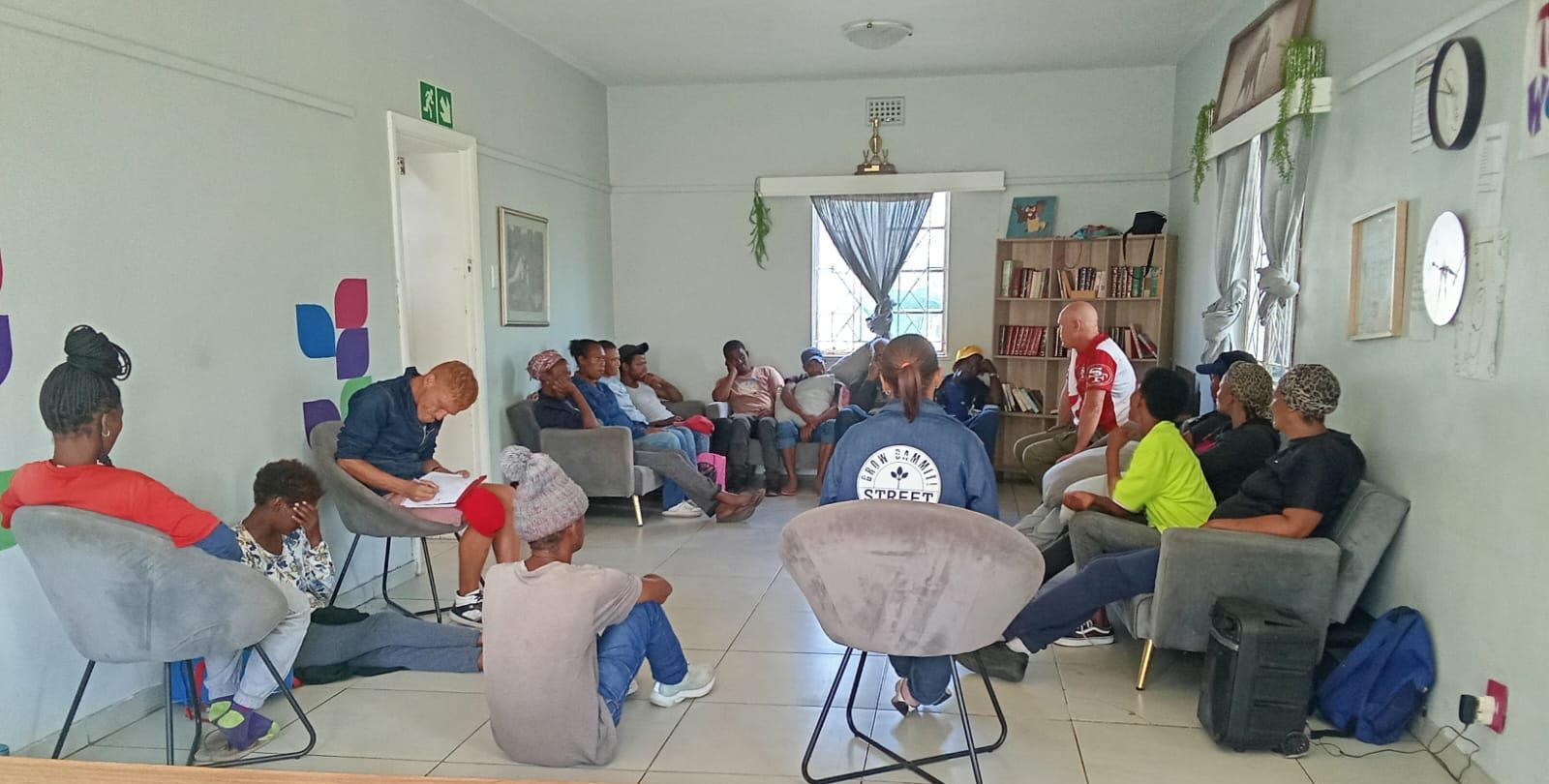
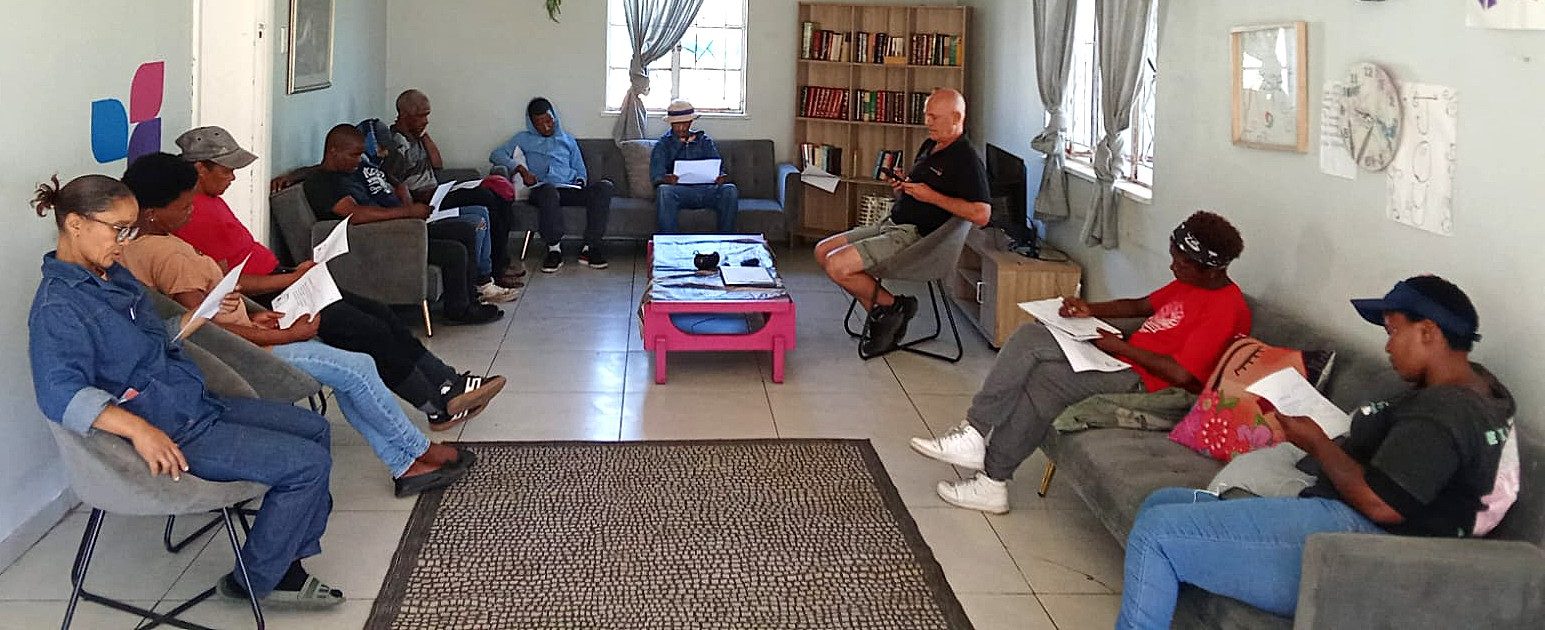
Our therapeutic psychosocial work is delivered by experienced Social Workers and Social Auxiliary Workers who provide professional, trauma-informed support to help clients address emotional, psychological and social challenges. Through individual and group interventions, case management and ongoing support, clients are guided to develop healthier coping mechanisms, strengthen relationships and work towards their personal goals.
The programme offers:
- Individual and group therapeutic support
- Trauma-informed interventions
- Substance-use support and relapse prevention
- Emotional wellbeing and coping strategies
- Crisis intervention and case management
- Relationship and family support
- Goal setting and personal development
- Referrals and linkages to specialised services
- Family reunification and social reintegration
SKILLS & DEVELOPMENT
At Streetscapes, we help clients build the confidence and practical skills for work and independent living. Every client is different, so each one gets an individual development plan. The goal is to support people to move from the streets to meaningful work and independence.
The Programme offers:
- Life & Work Skills- Communication, teamwork, resilience, and professional behaviour.
- Work Readiness- Workplace conduct, CV writing, interviews, and job retention.
- External Training- Links to accredited training – Care, Forklift, Barista, Security, Cleaning, Driver's Licence, and more.
- Peer Training- Turning lived experience into impact – peer support, harm reduction, and advocacy.


Toilet Project
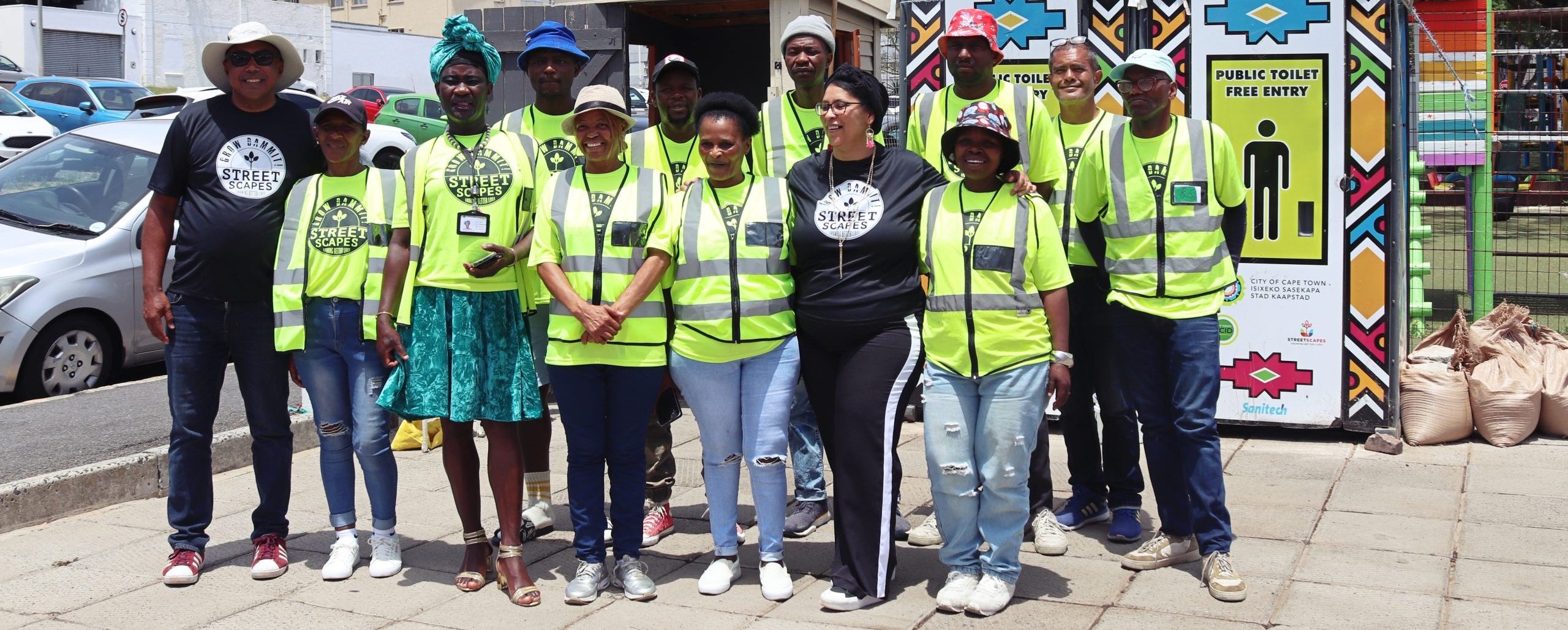
The Toilet Project provides clients with practical, supported work experience by managing and maintaining public toilets across the CBD. It helps clients build confidence, workplace skills and a work history while preparing for employment and greater independence.
The project offers:
- Practical work experience managing public toilets
- Customer service and communication
- Teamwork, shift-based work, responsibility and accountability
- Health, safety, cleanliness and hygiene
- Following procedures and professional conduct
- Working independently and managing workplace challenges
- Building references and reliability
- Preparation for employment, further training and sustainable livelihoods